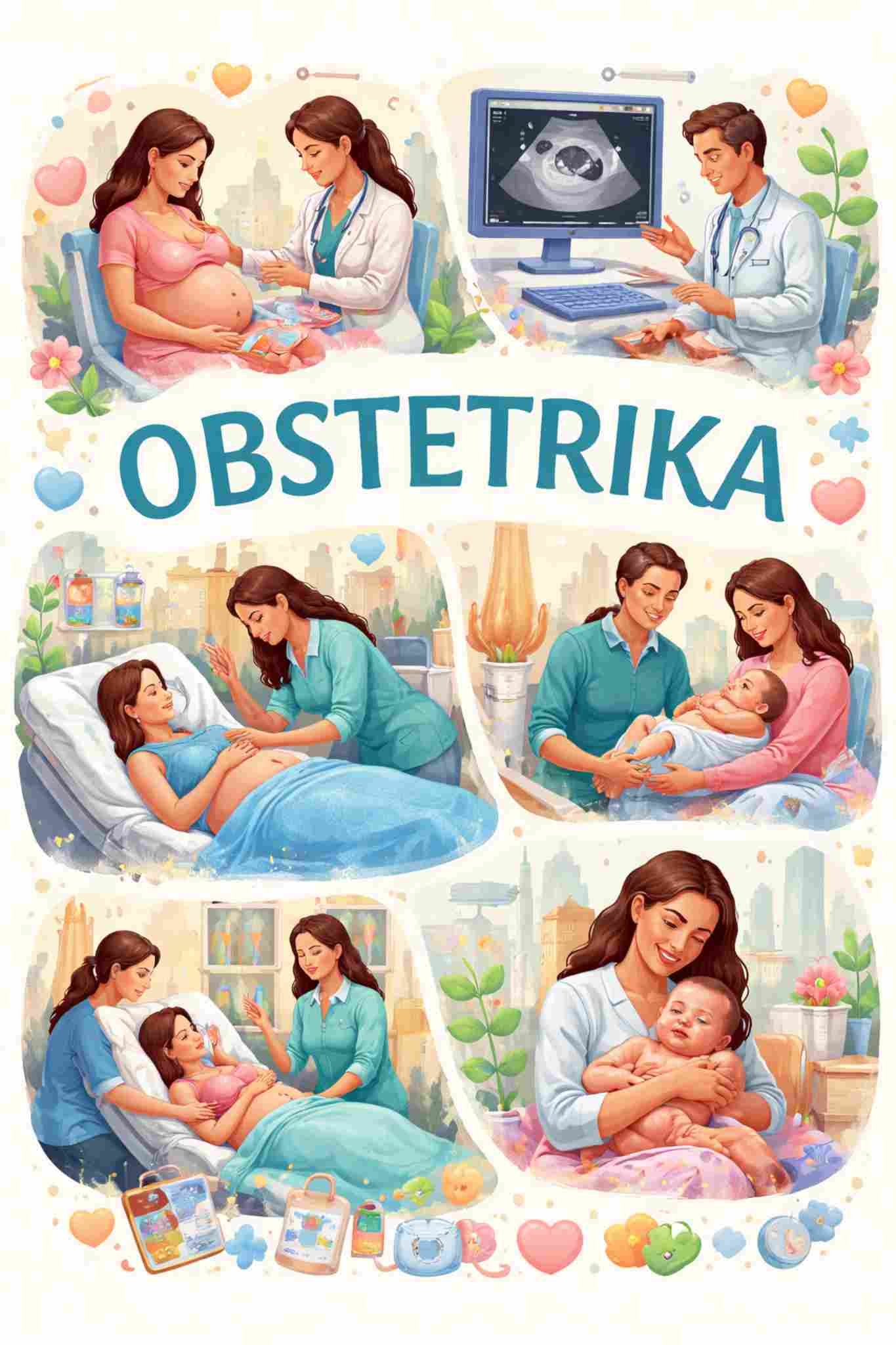
Obstetrika (also called obstetrics) is the part of medicine that takes care of women during pregnancy, childbirth, and after the baby is born. The main goal is to keep both the mother and the baby safe and healthy.
Doctors who work in obstetrika are called obstetricians. They often work together with gynecologists (doctors who treat women’s reproductive health). Many doctors are trained in both areas and are called OB/GYN doctors.
1. What Does Obstetrika Cover?
Obstetrika includes:
-
Care before pregnancy
-
Care during pregnancy
-
Help during labor and delivery
-
Care after the baby is born
2. Care Before Pregnancy (Preconception Care)
It is helpful to prepare the body before getting pregnant.
Important Steps
-
Visit a doctor for a health check
-
Manage health problems like diabetes or high blood pressure
-
Take folic acid vitamins
-
Stop smoking and drinking alcohol
-
Eat healthy food
-
Get needed vaccines
Important Vitamins
| Vitamin | Why It Is Important |
|---|---|
| Folic Acid | Helps prevent birth defects |
| Iron | Prevents low blood (anemia) |
| Calcium | Helps baby’s bones grow |
| Vitamin D | Helps the body use calcium |
3. Care During Pregnancy (Prenatal Care)
Pregnancy lasts about 40 weeks and is divided into three parts called trimesters.
First Trimester (0–12 Weeks)
This is when the baby starts to develop.
Doctor Visits May Include:
-
Blood tests
-
Urine tests
-
Ultrasound scan
-
Checking blood pressure
The doctor makes sure the pregnancy is healthy and sets the due date.
Second Trimester (13–27 Weeks)
Many women feel better during this time.
Common Checks:
| Test | Why It Is Done |
|---|---|
| Ultrasound | Check baby’s body and growth |
| Glucose Test | Check for diabetes |
| Blood Pressure | Check for high blood pressure |
The mother may start feeling the baby move.
Third Trimester (28–40 Weeks)
This is the final stage before birth.
Focus During This Time:
-
Check baby’s position
-
Watch for problems like high blood pressure
-
Plan for delivery
-
Check baby’s heartbeat
Doctor visits become more frequent.
4. Watching the Baby’s Health
Doctors use special tools to check the baby’s health.
Common Tools
-
Ultrasound scan
-
Fetal heart monitor
-
Non-stress test (checks baby’s heartbeat)
Read also: RADV Audit Defense Strategy
Monitoring Tools Explained
| Tool | What It Checks |
|---|---|
| Ultrasound | Baby’s growth and position |
| Heart Monitor | Baby’s heartbeat |
| Non-Stress Test | Baby’s reaction to movement |
5. Common Pregnancy Problems
Some pregnancies may have health problems.
Common Conditions
-
Gestational diabetes
-
High blood pressure (preeclampsia)
-
Early labor
-
Bleeding problems
-
Twins or multiple babies
Quick Overview
| Problem | What It Means | Treatment |
|---|---|---|
| Gestational Diabetes | High sugar levels | Diet or insulin |
| Preeclampsia | High blood pressure | Monitoring or early delivery |
| Preterm Labor | Baby coming too early | Medicine and rest |
6. Labor and Delivery
Labor is the process of giving birth.
Three Stages of Labor
-
Cervix opens (dilates)
-
Baby is born
-
Placenta comes out
Doctors and nurses watch both mother and baby closely.
Types of Delivery
| Type | What It Means |
|---|---|
| Vaginal Birth | Baby is born naturally |
| Assisted Birth | Tools help guide baby out |
| C-Section | Surgery to deliver baby |
The doctor chooses the safest method.
7. Pain Relief During Labor
Women can choose how to manage pain.
Medical Options
-
Epidural
-
Spinal injection
-
IV pain medicine
Natural Methods
-
Breathing exercises
-
Massage
-
Warm water
-
Changing positions
Each woman can choose what feels best.
8. Care After Birth (Postpartum Care)
The time after delivery is very important.
Care for the Mother
-
Check bleeding
-
Watch blood pressure
-
Help with healing
-
Check emotional health
Care for the Baby
-
Check breathing
-
Check heart rate
-
Help with feeding
-
Give vaccines
Warning Signs After Birth
| Symptom | Could Mean |
|---|---|
| Heavy bleeding | Serious bleeding problem |
| High fever | Infection |
| Strong sadness | Postpartum depression |
| Severe headache | Blood pressure problem |
If these happen, medical help is needed right away.
9. Emergency Situations
Sometimes quick action is needed.
Examples of Emergencies
-
Heavy bleeding
-
Baby stuck during birth
-
Umbilical cord problems
-
Uterus tearing
Doctors are trained to act fast in these cases.
10. Special Care for High-Risk Pregnancies
Some women need extra care.
High-Risk Cases Include:
-
Heart disease
-
Severe diabetes
-
High blood pressure
-
Previous pregnancy problems
Special doctors (maternal-fetal specialists) help in these cases.
11. Importance of Obstetrika Around the World
Obstetrika saves lives.
Goals of Maternal Care
-
Reduce mother deaths
-
Reduce baby deaths
-
Provide safe hospital births
-
Improve access to doctors
In many parts of the world, women do not have enough medical care. Improving access to obstetrika is very important.
12. The Future of Obstetrika
Medical care is improving every year.
New Developments
-
Online doctor visits
-
Better ultrasound machines
-
Safer surgeries
-
Early genetic testing
These changes help mothers and babies stay safer.
Conclusion
Obstetrika is an important part of medicine that protects mothers and babies. It includes:
-
Care before pregnancy
-
Regular checkups during pregnancy
-
Safe delivery
-
Care after birth
With good medical care, most pregnancies are safe and healthy. Obstetrika helps families welcome new life with safety and support.
