URLs are a basic part of every website. They help users find pages, move between sections, and understand what a page is about before opening it. When URLs are messy or unclear, users get confused and websites become harder to manage. This is where URLWO becomes useful.
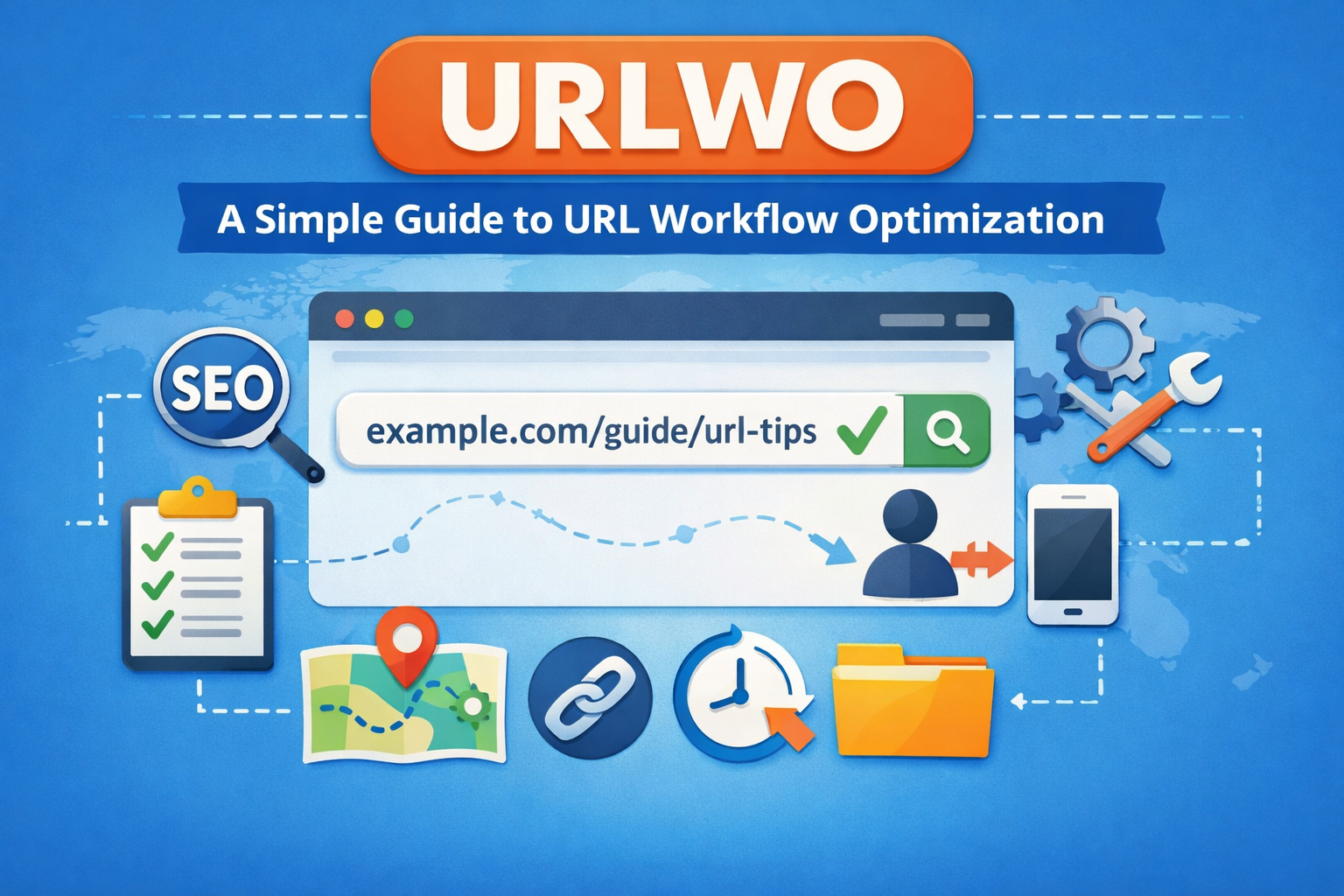
URLWO means URL Workflow Optimization or User-Friendly URL Optimization. It is a simple way of planning, creating, and managing URLs so they stay clear, stable, and easy to use over time. URLWO is not a tool or a software. It is a method that helps people handle URLs in a smart and organized way.
This article explains URLWO in simple language. It focuses on people, structure, and long-term clarity. It avoids technical complexity and explains ideas step by step Courseto
What Is URLWO?
URLWO is a way of thinking about URLs before they are created and while they are used. Instead of letting systems create random or unclear links, URLWO encourages people to design URLs with care.
A URL made with URLWO:
-
Is easy to read
-
Is easy to remember
-
Clearly shows what the page is about
-
Does not change often
-
Works well as the website grows
URLWO treats URLs as long-term addresses, not temporary links.
Why URLWO Is Important
URLs are shared in many places. People see them in messages, documents, bookmarks, and browser bars. A good URL builds trust. A bad URL creates doubt.
URLWO is important because it:
-
Helps users understand pages faster
-
Makes websites easier to manage
-
Reduces confusion when content changes
-
Supports clear navigation
-
Prevents future problems
Many websites fail not because of bad content, but because their structure becomes messy over time. URLWO helps prevent that.
Core Ideas Behind URLWO
URLWO is based on a few simple ideas that guide every decision.
Clarity
A URL should explain itself. When someone reads it, they should have a good idea of what they will see on the page.
Consistency
All URLs on a website should follow the same pattern. This makes the site easier to understand and manage.
Consistency includes:
-
Same letter case
-
Same word separators
-
Same folder structure
User First Thinking
URLs should be made for people, not just systems. A user should feel comfortable sharing and reading a URL.
Long-Term Thinking
URLs should not change often. Once a URL is created, it should stay active for as long as possible.
Simplicity
Short and simple URLs work better than long and complex ones. Extra words and symbols should be avoided.
Main Parts of URLWO
URLWO works by focusing on several important parts that together create a clean system.
URL Structure
URL structure means how a URL is built from start to end.
A good structure:
-
Uses real words
-
Follows a clear path
-
Shows content levels clearly
Example of good structure:
-
/blog/url-guides/beginner
Example of poor structure:
-
/b/c/pg123
Best Practices for Structure
-
Use lowercase letters
-
Use hyphens instead of spaces or symbols
-
Avoid numbers unless needed
-
Keep folders meaningful
Page Meaning
Each URL should match the page content closely. When the page topic changes, the URL should still make sense.
This helps users trust that:
-
The page is what they expect
-
The site is well organized
Navigation Support
URLs support navigation even without menus. Users often change parts of a URL to explore related pages.
URL Control and Maintenance
Over time, pages move or change. URLWO plans for this early.
Good maintenance includes:
-
Keeping a record of changes
-
Redirecting old URLs carefully
-
Avoiding broken pages
-
Cleaning unused links
URLWO Compared to Old Practices
Many websites still use old URL habits. These habits cause problems later.
| Old Practice | URLWO Method |
|---|---|
| Random URLs | Planned URLs |
| System-driven | Human-focused |
| Frequent changes | Stable links |
| No rules | Clear rules |
| Quick fixes | Long-term thinking |
URLWO helps avoid chaos as websites grow.
How to Apply URLWO Step by Step
URLWO works best when applied in clear steps.
Planning Stage
Before creating any URL, planning is required.
Planning includes:
-
Deciding folder names
-
Choosing word style
-
Setting rules for future pages
-
Thinking about growth
Planning Checklist
-
Are names clear?
-
Are words simple?
-
Is the structure reusable?
-
Can new pages fit easily?
Creation Stage
During creation, URLs should be checked before publishing.
Good creation habits:
-
Write the URL manually when possible
-
Avoid auto-generated strings
-
Review for spelling
-
Test the link
Review Stage
After publishing, URLs should be reviewed over time.
Review tasks include:
-
Checking broken links
-
Removing unused pages
-
Improving unclear paths
-
Keeping redirects clean
Tools That Support URLWO
URLWO does not depend on tools, but tools can help manage work.
Helpful Tool Types
| Purpose | Tool Type |
| Check broken links | Link checker |
| Manage page moves | Redirect manager |
| Review structure | Site audit tool |
| Track usage | Page analytics |
Tools should support rules, not replace thinking.
Advanced URLWO Practices
As websites grow, URLWO becomes even more important.
Large Websites
Large websites need stronger rules.
Helpful practices:
-
Shared naming rules
-
Clear ownership
-
Change approval steps
-
Regular reviews
Multiple Languages or Regions
Websites with many languages need extra care.
Good practices include:
-
Clear language folders
-
Same structure for all languages
-
Avoid mixing languages in one URL
Automation With Care
Automation can help but should follow rules.
Automation can:
-
Create standard URLs
-
Flag problems
-
Monitor changes
Automation should never create unclear links.
Common URLWO Mistakes
Many problems repeat across websites.
Mistakes to Avoid
-
Long and complex URLs
-
Random numbers
-
Mixed styles
-
Changing URLs without reason
-
Ignoring old links
-
Letting systems decide everything
Impact of Common Mistakes
| Mistake | Result |
| Broken URLs | Lost visitors |
| Confusing paths | Poor trust |
| Frequent changes | Ongoing issues |
| No rules | Site disorder |
Where URLWO Is Most Useful
URLWO works for many types of websites.
Online Stores
-
Clear product paths
-
Stable item pages
-
Clean category structure
Content Websites
-
Topic-based folders
-
Easy-to-read article links
-
Clear archives
Software Platforms
-
Feature-based URLs
-
Simple help pages
-
Clear onboarding paths
Business Websites
-
Clear service pages
-
Stable contact links
-
Simple navigation
Benefits of Using URLWO
URLWO brings benefits over time.
Main Benefits
-
Clear user understanding
-
Easier website growth
-
Fewer technical problems
-
Better content organization
-
Lower maintenance effort
Benefits by Role
| Role | Benefit |
| Users | Clear navigation |
| Editors | Easy publishing |
| Managers | Stable structure |
| Teams | Shared rules |
The Future of URLIWO
As websites become larger and more complex, URLIWO becomes more important, not less.
Future focus areas include:
-
Smarter planning
-
Better automation control
-
Stronger rules
-
User-first design
URLs will continue to act as permanent signs that guide users.
FAQs
What does URLIWO stand for?
URILWO usually stands for URL Workflow Optimization or User-Friendly URL Optimization. Both meanings describe the same idea. It is about improving how URLs are planned, created, and managed so they remain clear and useful over time.
Is URLIWO a tool or software?
No, URLIWO is not a tool or software. It is a method or approach. Tools can support URLIWO, but the core idea is about how people think and make decisions about URLs.
Who should use URLIWO?
URLIWO can be used by:
-
Website owners
-
Content writers
-
Editors
-
Designers
-
Developers
-
Product managers
Anyone involved in creating or managing pages can benefit from URLIWO.
Conclusion
URLIWO is a simple and practical way to think about how URLs are created, used, and maintained over time. It focuses on clarity, structure, and long-term use instead of short-term decisions. When URLs are planned with care, they become easier for people to read, share, and trust, Many problems on websites start when URLs are treated as unimportant or are left entirely to systems. This often leads to confusing links, broken pages, and constant fixes. URLIWO helps avoid these issues by encouraging clear rules, consistent patterns, and user-first thinking from the beginning